EN
Shenzhen Starcore Image Technology Co., LTD.
Camera Tuning

Camera Tuning

Boost Performance with Professional Camera Tuning Services: Optimized Clarity & Detail

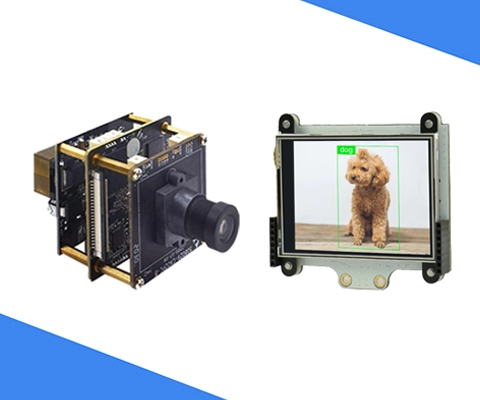
AI-powered systems for real-time detection and recognition improve accuracy and response times in security operations. We provide advanced camera tuning services, designed to fully unleash the potential of your imaging hardware. From professional DSLR camera tune-up and deep chip-level camera tuning to smart device optimization, our autofocus fine-tune technology ensures every product achieves top-tier imaging performance.

Through proprietary AI-driven algorithms, we give your device a unique “visual soul” tailored to its application, enhancing color reproduction, dynamic range, and clarity. Whether you are seeking high-precision camera tune-up, ultra-accurate autofocus fine-tune, or comprehensive DSLR camera tune-up services, our solutions ensure your product stands out with exceptional image quality.

Get a Quote

What Do Customers Ultimately Get with Professional Camera Tuning?

We empower your device with advanced camera tuning that elevates performance and differentiates your product in the market. Every project results in a fully optimized and integration-ready output, including:

  • A complete and customized firmware package refined through professional camera tune-up processes

  • A detailed performance test report featuring objective measurement data and autofocus fine-tune results

  • Technical documentation designed to simplify integration, updates, maintenance, and future system expansion


Our camera tuning workflow is engineered for uncompromising precision and visual consistency. We use industry‑standard color charts, precision light sources, and high‑accuracy spectrometers to perform deep camera tuning to refine color response curves and customize output to your brand's preferred visual style — whether "natural", "vivid", "film-like", or another signature look. Our comprehensive camera tuning solutions ensure consistent, true color output, avoid color casts, create a unique brand identity, and enhance customer satisfaction.

Starcore Imaging Camera Tuning: Go Beyond Specs to Unlock the Visual Potential of Your Hardware Platform.

Starcore Imaging Camera Tuning: Go Beyond Specs to Unlock the Visual Potential of Your Hardware Platform.
- Color Science and Tone Customization – Give Your Images Soul -

We go beyond simple saturation sliders to perform scientific color mapping and white balance calibration. Through camera tuning, we ensure natural skin tones, smooth color transitions, and consistency across varying lighting conditions. More importantly, we customize your unique "tone style" (such as cinematic or vibrant) to give your product a unique visual identity and set it apart from the competition.

Starcore Imaging Camera Tuning: Go Beyond Specs to Unlock the Visual Potential of Your Hardware Platform.
- Superior Dynamic Range and Noise Control — Conquer Every Lighting Environment -

The dynamic range listed in the hardware specs is a theoretical value. Through our specialized camera tuning process, we optimize the ISP (Image Signal Processor) pipeline to significantly increase the actual usable dynamic range. This means that even in high-contrast backlit scenes, both highlight and shadow details are preserved.

Starcore Imaging Camera Tuning: Go Beyond Specs to Unlock the Visual Potential of Your Hardware Platform.
- Precise and Swift Autofocus Experience — Lock Focus Instantly -

Blurred focus can ruin even the best images. We offer chip-level autofocus fine-tuning services. This not only calibrates the focus motor's travel accuracy but also integrates AI algorithms for predictive subject tracking and low-light assist. Whether it's fast-moving objects or faces, we achieve millisecond-level precision lock-on, ensuring every frame is sharp and crisp.

Starcore Imaging Camera Tuning: Go Beyond Specs to Unlock the Visual Potential of Your Hardware Platform.
- Overall Performance Optimization and Consistency Guarantee — A Reliable Experience at Scale -

A single camera tune-up isn't the end of the story. We're committed to ensuring that every device leaving our factory delivers stable, exceptional performance. Our services include optimizing camera startup speed, power consumption, and thermal noise control to prevent image quality degradation caused by heat. Our rigorous processes ensure consistency across devices in large-scale production.

What is Camera Tuning Process?

  • Prerequisites for Camera Tuning: Before beginning the camera tuning workflow, it’s essential to establish a consistent and controlled environment. This includes setting up calibrated light sources, preparing reference color charts, and verifying sensor functionality. These prerequisites lay the foundation for a reliable camera tune-up, minimizing environmental variability and ensuring that parameter adjustments are based on accurate, repeatable data.


  • Initial Tuning Setup: The initial tuning stage defines the baseline image pipeline configuration. Engineers begin adjusting primary parameters such as exposure control, white balance, and lens shading correction. This phase of the camera tune-up process focuses on achieving a balanced image output that accurately represents real-world scenes while maintaining the sensor’s dynamic range and tonal integrity.


  • Simulate the Tuning Process: After the baseline parameters are established, the next step is to simulate the tuning in a controlled digital environment. This simulation allows for in-depth analysis of the image processing pipeline under diverse lighting, contrast, and motion conditions. By running multiple iterations, the camera tuning process becomes more predictive, allowing engineers to fine-tune algorithms before deploying changes on actual hardware.


  • Image Quality Evaluation: The image quality evaluation stage is critical to validating the effectiveness of the camera tune-up. Engineers use both objective metrics — such as SNR (Signal-to-Noise Ratio), color accuracy, and sharpness — and subjective assessments like tone perception and texture fidelity. This dual-layer evaluation ensures that the tuned camera performs well across various environments and user scenarios.


  • Load Tuned Settings: Once the parameters are optimized, the final step is to load tuned settings into the ISP firmware or camera control module. This completes the camera tuning cycle, transforming lab results into deployable performance. At this stage, the camera is ready for field testing, ensuring real-world consistency and enhanced visual performance across all capture modes.


FAQs of Camera Tuning

Q

How Does DSLR Tune-Up Differ from Mobile Camera Tuning?

A

A DSLR tune-up focuses on mechanical calibration and sensor‑lens synchronization to achieve optimal sharpness and focus accuracy. By contrast, mobile camera tuning involves algorithmic fine adjustment — tuning auto‑exposure, noise reduction, tone mapping, and white balance. Both aim for visual fidelity but are applied on different hardware and ISP architectures.

Q

What is Autofocus Fine-Tune and When Should It Be Performed?

A

Autofocus fine-tune is the calibration process used to align the lens focus mechanism with the camera’s imaging sensor. It prevents front‑ or back‑focus issues that may appear in cameras after assembly or use. In smartphone camera systems, autofocus fine-tune ensures quick and reliable locking even in challenging environments — critical for 360‑degree panoramic setups and professional photography.

Q

Which Devices Can Benefit from Professional Camera Tune-Up Services?

A

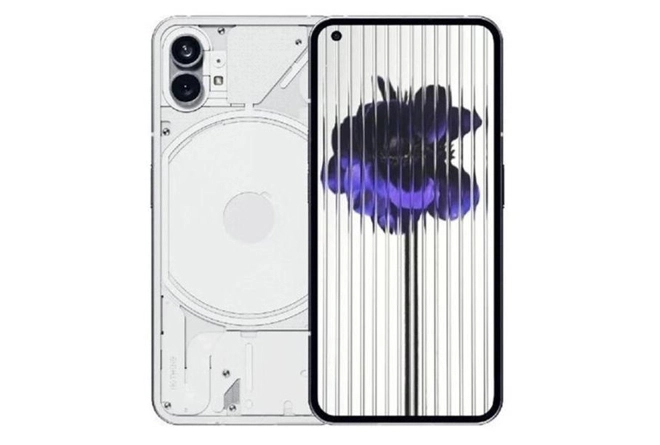
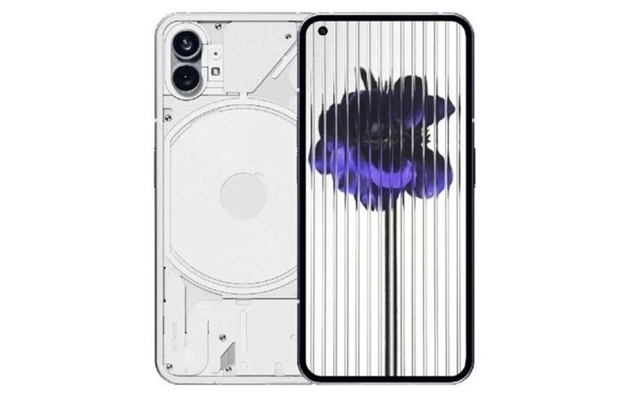
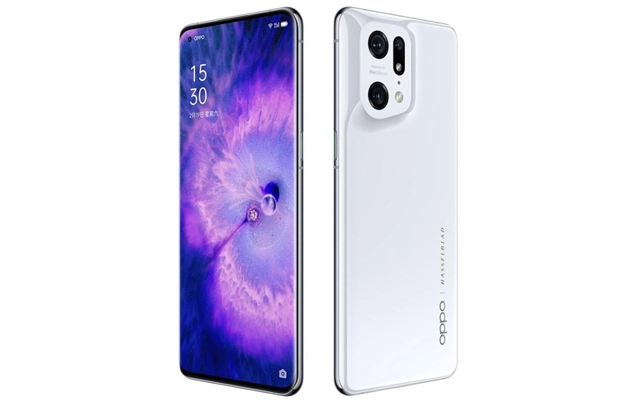
Our camera tune-up solutions support a wide range of devices — from smartphones and IoT cameras to automotive and industrial vision systems. Some of our latest projects include Nothing Phone 2 Camera Tuning and OPPO Find X5 Pro Camera Tuning, where our calibration process enhanced low‑light detail, color accuracy, and autofocus consistency.

Q

How Long Does the Camera Tuning Process Take?

A

The duration depends on the platform and complexity. A complete camera tuning cycle — including simulation, image quality evaluation, and validation — typically takes from a few days to several weeks. Our engineers use both objective metrics and perceptual analysis to ensure every camera tune-up meets real‑world performance standards before deployment.


Q

Can Camera Tuning Improve Low-Light and Color Accuracy?

A

Absolutely. A professional camera tuning process refines parameters like noise suppression, gamma curves, and color matrices, which significantly affect low‑light performance and white balance accuracy. The result is better shadow detail, smoother transitions, and lifelike colors even under challenging lighting.